Overview
Moving to Nunavut
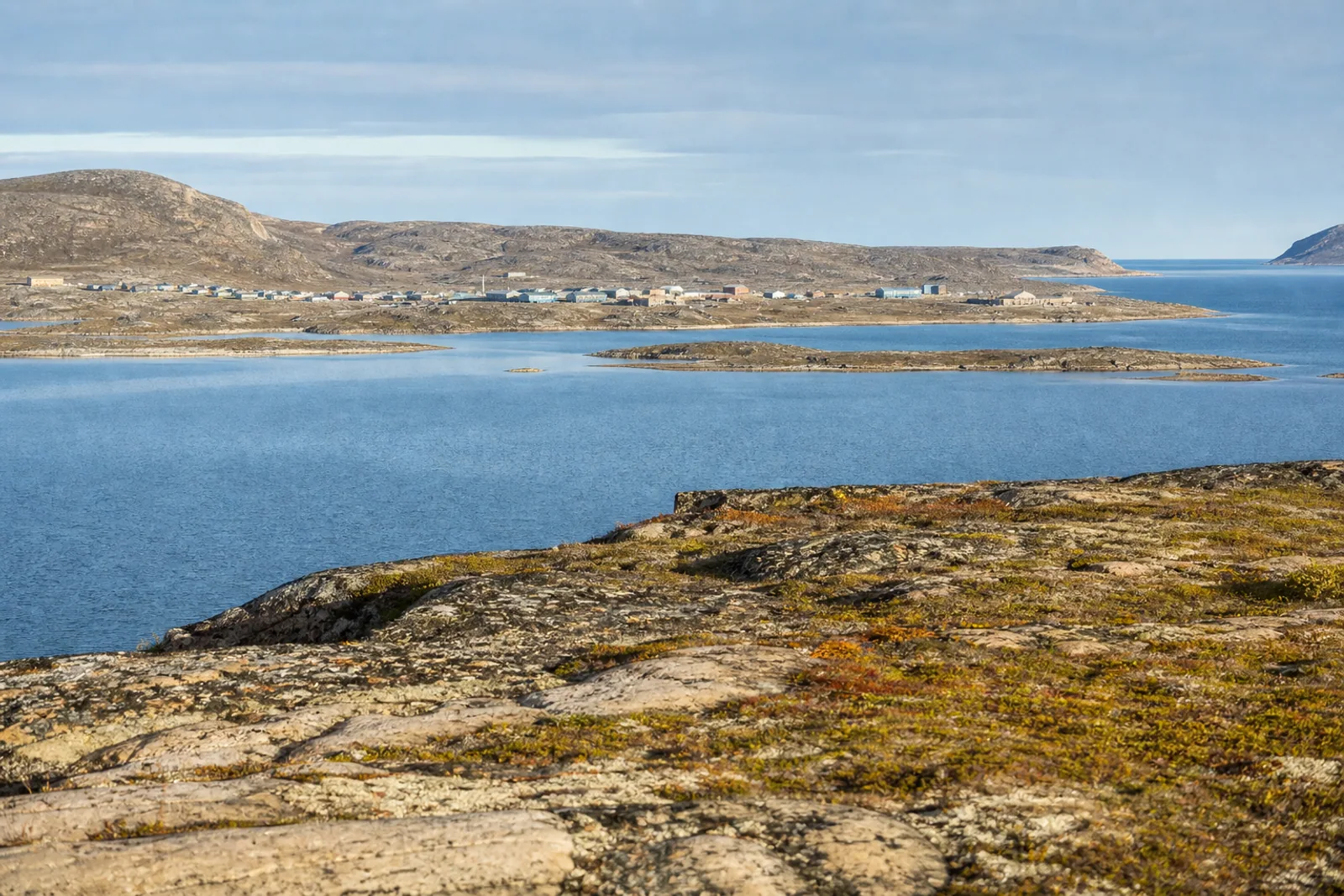
Nunavut is an Inuit homeland of 25 communities with no road links between them. Employment, housing and travel must be arranged for the specific community; a generic northern budget is not reliable.
Choose the community around a confirmed role
Iqaluit has the largest government, health, construction, retail and service market. Regional centres and smaller communities have fewer employers and may rely heavily on territorial government, Inuit organizations, local businesses and public services.
All intercommunity travel is by air.
Treat housing as part of the employment offer
Private rentals are scarce and expensive, and many positions include staff housing. Confirm rent, utilities, household size, furniture and the move-out deadline if the job ends.
Do not relocate dependants until suitable housing is verified.
Budget sealift, cargo and flights
Food and household goods arrive by air or seasonal sealift, affecting price, timing and selection. Personal travel south can be one of the largest annual expenses.
Medical and weather disruptions can extend stays away from home.
Learn Inuit culture and local conditions
Inuit are the majority population, and Inuktut language, Inuit societal values and land-based life are central. Newcomers should learn community protocols and avoid treating Nunavut as a temporary work camp.
Extreme cold, darkness, blizzards and wildlife require local guidance.

Frequently asked questions
Questions about moving to nunavut
Can I drive between Nunavut communities?
No. The communities are not connected by road; travel is by air and local roads remain within each area.
Should I move before finding housing?
No. Housing is severely limited and should be confirmed with the employer or landlord.
Related guides