
Overview
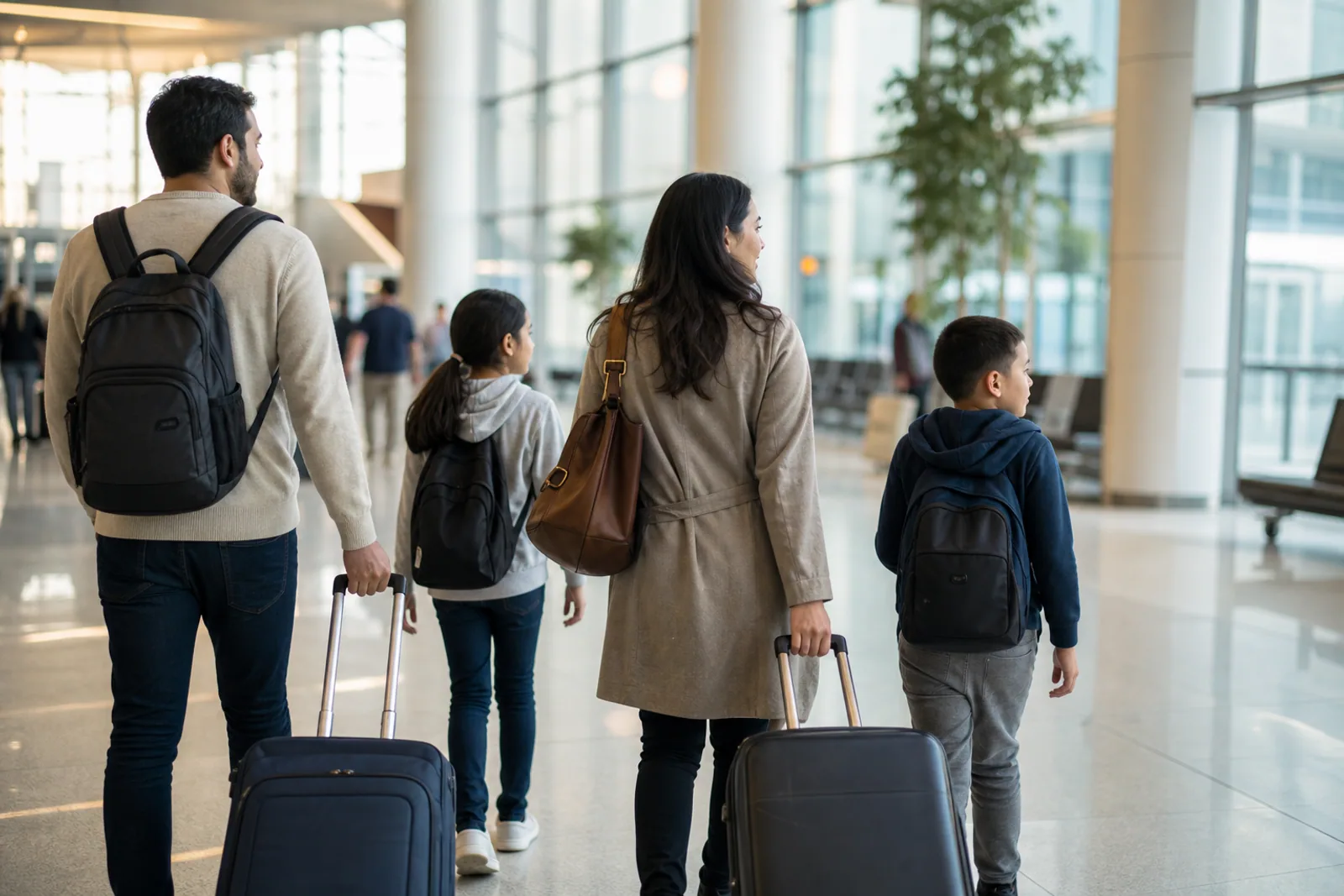
Bringing family while studying
Family members do not receive status automatically with an international student. Each person needs their own temporary-resident application and must qualify for the requested visitor, study or work authorization.
Choose the correct status for each person
A spouse or partner may apply to visit and may qualify for an open work permit only if the principal student’s program falls within the current eligible categories. The rules were narrowed in 2024 and 2025.
School-aged children may need study permits, while younger children generally enter as visitors.
Show a realistic family budget
Add tuition, housing, living and travel costs for every accompanying person. Explain who will care for children and how the household will manage if the spouse cannot work immediately.
Do not build the application on an assumed Canadian salary.
Prove relationships and temporary purpose
Use marriage, birth and common-law evidence that matches the forms. Each applicant must be admissible and must persuade IRCC they will respect the authorized stay.
Applications can be filed together, but one approval does not legally guarantee the others.
Keep expiry dates aligned
Family documents may be limited by passports, the student’s permit or the program end date. Apply for extensions before expiry and watch how graduation changes spousal work eligibility.
A child moving between visitor and student status may need an in-Canada application.
When to get legal advice
When several family members need coordinated status: Bringing family while studying
An immigration lawyer can map the student’s plan to the spouse’s work eligibility, children’s study authorization and each family member’s separate status dates.
A spouse expects to work in Canada
A child will travel with only one parent
Family members have different expiry dates
A refusal for one person affects the family plan
A focused question may only need 15 minutes.
Use the time to identify the issue, any immediate risk and the next sensible step. If the matter needs more work, the lawyer can explain the proposed scope before you decide whether to proceed.
Read what an immigration lawyer can do and how an immigration law firm may handle further work.
Frequently asked questions
Questions about bringing family while studying
Can every international student’s spouse obtain an open work permit?
No. Eligibility is limited to spouses of students in specified programs and circumstances.
Are family applications approved automatically with the student?
No. Every family member must qualify for their own status.
Related guides