Overview
Inland spouse or partner sponsorship
The in-Canada class is intended for spouses or common-law partners living together in Canada. It can pair with a spousal open-work-permit process, but travel and loss of status need more careful planning than the word inland suggests.
Confirm cohabitation in Canada
The sponsor and applicant should be living together when the application is made and throughout processing. Extended separation can affect class eligibility even where the relationship remains genuine.
Keep current joint-address evidence and explain unavoidable travel or work separation.
Treat temporary status as a separate issue
Submitting sponsorship does not automatically extend visitor, student or worker status. Apply separately before expiry when maintained status is needed.
A public policy may permit processing for some out-of-status spouses, but it is not a blanket cure for inadmissibility or every violation.
Assess work-permit eligibility
An eligible sponsored spouse in Canada may apply for an open work permit under current instructions. Timing and required acknowledgement or status documents depend on the applicant’s situation.
Do not work until authorization exists merely because PR sponsorship was filed.
Plan travel conservatively
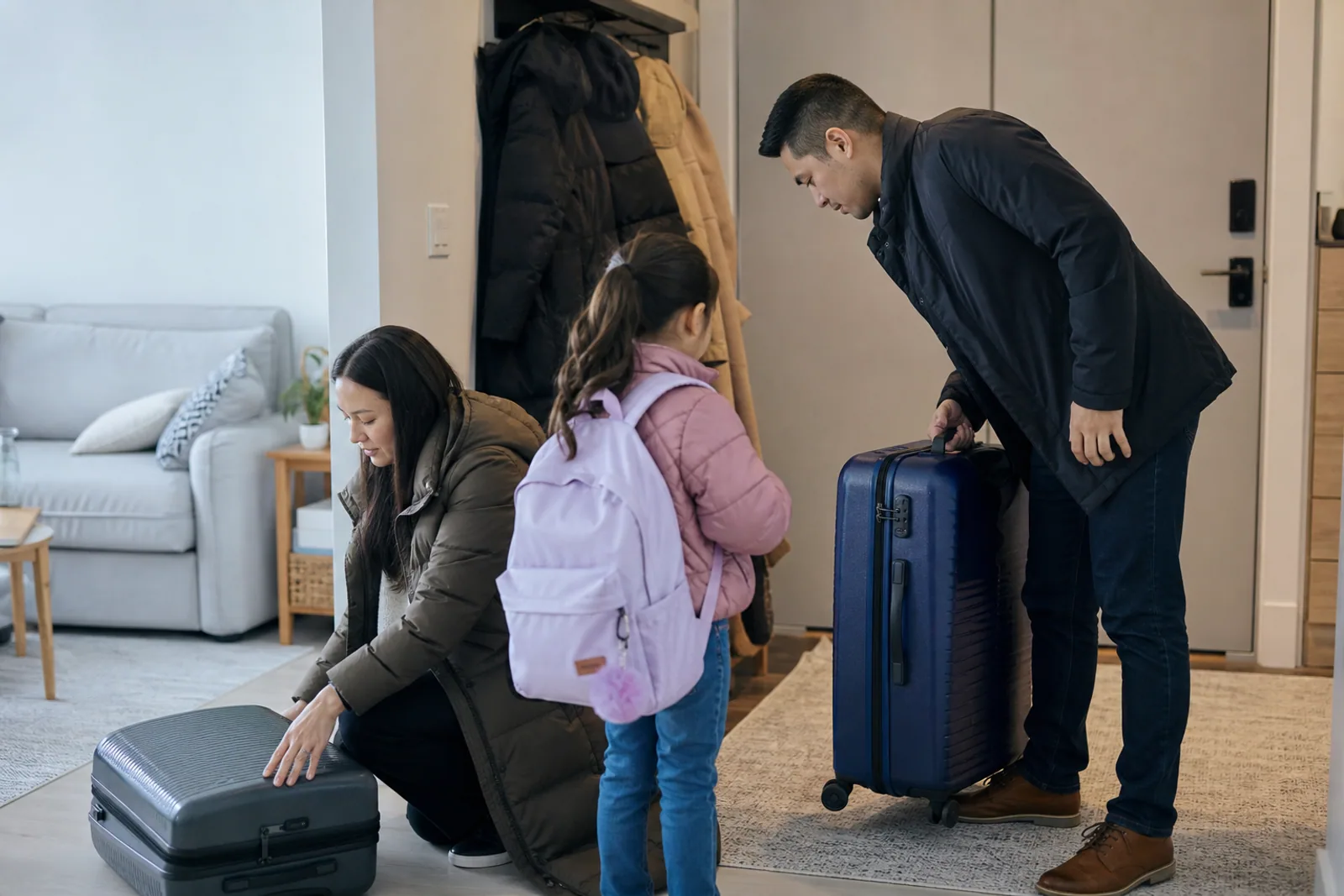
An applicant who leaves Canada may be unable to return, and an in-Canada application can fail if cohabitation or Canadian residence requirements are no longer met. A valid visa does not guarantee re-entry.
Family Class processing may be more suitable when frequent or necessary travel is expected.

When to get legal advice
When relationship category and evidence require closer review: Inland spouse or partner sponsorship
An immigration lawyer can assess whether the chosen category fits the relationship history and whether the application addresses cohabitation, separation, prior relationships and inconsistent records.
The couple lived apart for a significant period
One partner has a previous marriage or sponsorship
The relationship was described differently in an earlier application
IRCC may question whether the relationship is genuine
A focused question may only need 15 minutes.
Use the time to identify the issue, any immediate risk and the next sensible step. If the matter needs more work, the lawyer can explain the proposed scope before you decide whether to proceed.
Read what an immigration lawyer can do and how an immigration law firm may handle further work.
Frequently asked questions
Questions about inland spouse or partner sponsorship
Does inland sponsorship give immediate status?
No. PR processing and temporary status are separate.
Can an inland applicant travel?
Travel is possible but carries re-entry and class-eligibility risk that should be assessed before departure.
Related guides